Low Energy in Men: Why They Feel Drained by the End of Winter (And How to Fix It Naturally)
Low Energy in Men: Why They Feel Drained by the End of Winter (And How to Fix It Naturally)
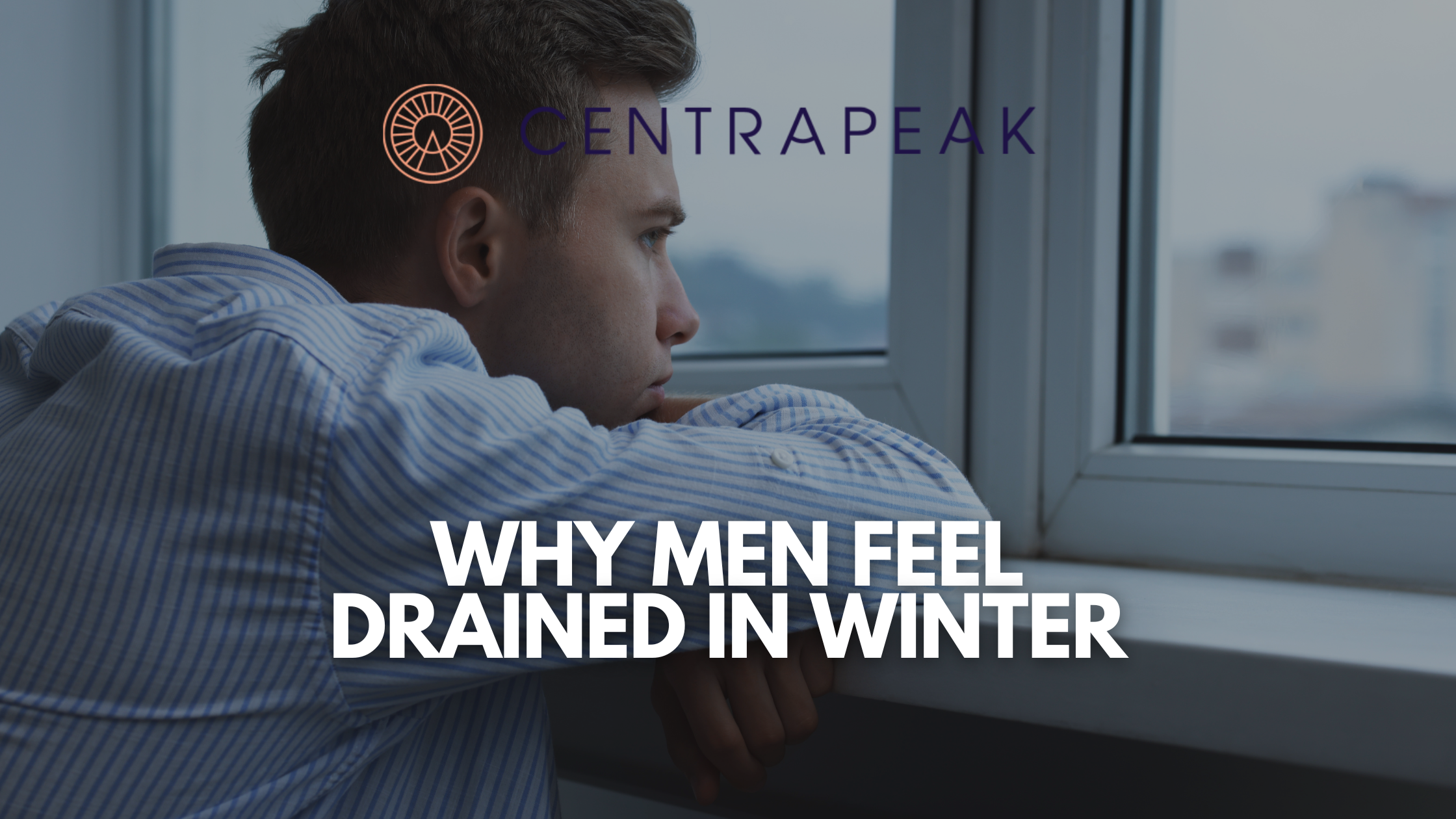
By late February, many men experience low energy, reduced motivation, and slower recovery. Workouts feel heavier. Focus fades earlier in the day. Sleep feels less restorative. Drive dips. Many men feel tired more often at the end of winter, which is a common experience but can also signal underlying health issues when persistent. Symptoms of low energy or fatigue include excessive sleepiness during the day and a lack of motivation to engage in daily activities.
This end-of-winter fatigue is not laziness, and it is not a lack of discipline. It is often a combination of hormonal shifts, reduced sunlight exposure, elevated stress, and nutrient depletion that gradually impacts male vitality.
If you have been feeling drained as winter winds down, there are biological reasons behind it—and natural ways to restore your energy, testosterone levels, and overall performance before spring begins.
Why Energy Levels Drop in Late Winter
Seasonal changes affect more than mood. They influence hormone production, circadian rhythm, immune function, and metabolic efficiency.
For men, testosterone—the primary male sex hormone—plays a central role in daily energy, muscle recovery, mental clarity, libido, and motivation. Even a mild seasonal dip in testosterone can result in noticeable fatigue and decreased drive. Low testosterone is common in older men and can lead to significant drops in energy levels.
During winter, several factors combine to create what many men interpret as burnout, when in reality it is a physiological response to environmental stressors. These hormonal changes can impact the male body broadly, affecting not only sexual health but also overall physical health and energy.
Reduced Sunlight and Vitamin D Deficiency
One of the most common causes of winter fatigue in men is lower vitamin D levels.
Sunlight exposure helps the body produce vitamin D, which plays a role in immune health, mood regulation, and testosterone support. During winter, reduced outdoor time and weaker sun intensity can lead to deficiency.
Research has linked healthy vitamin D levels to optimal testosterone production. When vitamin D drops, men may experience low energy, decreased motivation, and weaker recovery. Vitamin D is also essential for maintaining bone density, and low bone density can compromise overall health and energy in men by increasing the risk of fractures and reducing physical function.
Correcting vitamin D deficiency is often one of the first steps in restoring vitality naturally. Additionally, a healthful diet containing plenty of vegetables, whole grains, and proteins can boost a person’s energy levels.
Elevated Cortisol and Chronic Stress
Winter often brings increased stress levels due to work demands, financial pressure, disrupted routines, and limited physical activity.
Chronic stress elevates cortisol, the body’s primary stress hormone. When cortisol remains high for extended periods, it can suppress testosterone production and impair sleep quality. Elevated stress and cortisol can also impact blood pressure, which in turn affects overall energy levels.
High cortisol combined with low testosterone can create symptoms such as:
- Persistent fatigue
- Brain fog
- Irritability
- Reduced stamina
- Slower muscle recovery
Managing stress is not simply about mindset. It directly impacts hormonal balance and energy levels in men. Drinking enough water throughout the day can reduce stress and its symptoms, which helps maintain energy levels.
Poor Sleep Quality and Hormonal Impact
Testosterone production occurs primarily during deep sleep. Getting enough sleep—ideally 7-8 hours per night—is essential for maintaining hormonal balance and energy. If sleep is inconsistent, shallow, or fragmented, hormone production declines.
Winter routines often disrupt sleep patterns. Reduced daylight exposure affects circadian rhythm, and increased screen time in the evenings can further impair deep sleep cycles. Some men struggle to fall asleep at regular times due to disrupted sleep patterns, making it difficult to get a good night’s sleep.
Even if total sleep hours seem sufficient, poor sleep quality can lead to:
- Low morning energy
- Reduced focus
- Lower testosterone levels
- Increased cravings
- Decreased training performance
Even after a full night’s rest, men may still experience fatigue if sleep quality is poor. Sleep disorders, such as sleep apnea, can rob individuals of quality sleep, leading to daytime fatigue. Sleep deprivation, often caused by poor sleep habits and hygiene, can significantly impact energy levels and overall health.
Improving sleep quality is one of the most effective natural testosterone support strategies available. Devoting more time and energy to getting enough sleep and practicing good sleep hygiene can greatly improve energy levels.
Decreased Physical Activity
Strength training and resistance exercise are powerful natural stimulators of testosterone production. Regular exercise can decrease fatigue and help men feel more energy, making it an essential strategy for combating low energy in men.
During colder months, many men train less consistently. Reduced activity signals the body to downregulate certain anabolic processes, which may contribute to lower energy and drive. Aerobic activity and resistance training not only build muscle and increase testosterone, but also boost stamina and release endorphins.
Regular compound lifts, progressive overload, and consistent movement support hormone balance, metabolic health, and long-term vitality.
Reintroducing structured training often leads to noticeable improvements in energy within weeks. Regular physical activity can also improve the performance of your heart and lungs, further supporting energy levels.
Nutrient Depletion and Male Vitality
Modern diets—especially during winter—may lack essential nutrients that support male hormone health. A healthy diet, including whole grains, fruits, vegetables, and iron-rich foods, is crucial for supporting energy and combating fatigue.
Key nutrients for testosterone support include:
- Vitamin D
- Zinc
- Magnesium
- Adaptogenic herbs such as ashwagandha
Consuming complex carbohydrates, lean proteins, and maintaining hydration can help prevent energy crashes and support overall energy levels.
Zinc plays a role in maintaining healthy testosterone levels. Magnesium supports muscle recovery and sleep quality. Ashwagandha may help regulate cortisol and improve stress resilience. Key supplements for energy production also include Magnesium, Creatine, and Ashwagandha for stress management.
When these nutrients are under-consumed, the cumulative effect can contribute to seasonal fatigue and low motivation. Weight loss, when needed, can further enhance energy levels and improve overall health.
Medical Conditions and Fatigue
While lifestyle changes and seasonal factors play a major role in energy levels, it’s important to recognize that chronic fatigue in men can also be a sign of underlying medical conditions. Many men experience fatigue that doesn’t improve with more sleep or better habits, and in these cases, health problems may be at the root.
Chronic diseases such as heart disease, diabetes, and sleep apnea are common culprits behind persistent low energy. These conditions can disrupt the body’s essential functions, leading to decreased physical energy levels, excessive sleepiness, and a decreased ability to stay active or focused throughout the day. Sleep disorders like sleep apnea and insomnia are especially notorious for causing poor sleep quality, which in turn leads to severe fatigue, sleep problems, and even increased risk for other chronic diseases.
Low testosterone is another frequent cause of fatigue in men. As men age, testosterone levels naturally decline, which can result in symptoms of low testosterone such as decreased muscle mass, increased body fat, low energy, and reduced sexual desire. Low testosterone fatigue often goes hand-in-hand with other symptoms like sleep issues, decreased physical activity, and mood changes. In some cases, testosterone replacement therapy may be recommended to help restore hormone levels and combat fatigue, especially when lifestyle changes alone aren’t enough.
Iron deficiency anemia is another medical condition that can sap your energy. Without enough iron, your body can’t produce healthy red blood cells, leading to physical fatigue and low energy. Including iron-rich foods like lean protein and whole grains in your diet can help prevent iron deficiency anemia and support healthy energy levels.
Lifestyle factors also play a significant role. Poor diet, lack of regular exercise, and excessive alcohol consumption can all contribute to chronic fatigue and decreased physical energy levels. Chronic stress raises the body’s stress hormone, cortisol, which can further disrupt sleep patterns, lower testosterone levels, and negatively impact mental health.
If you’re experiencing persistent fatigue, it’s essential to consult with a healthcare professional. Identifying and treating underlying health conditions—whether it’s low testosterone, sleep disorders, iron deficiency anemia, or other chronic diseases—can make a dramatic difference in your energy and quality of life. Your doctor may recommend testosterone replacement therapy, medication, or targeted lifestyle changes to help restore your vitality.
By addressing both medical and lifestyle factors, men can fight fatigue, improve energy levels, and reclaim their drive—no matter the season.
How to Naturally Boost Energy Before Spring
The goal is not stimulation. It is restoration.
Instead of masking fatigue with caffeine, rebuilding your foundation helps improve long-term vitality, performance, and hormonal balance. Adjusting lifestyle habits, such as daily routines and behaviors, can also help restore energy.
To increase energy levels, men should focus on consistent, moderate exercise (at least 150 minutes per week), 7–9 hours of quality sleep, and a nutrient-rich, low-glycemic diet.
1. Restore Vitamin D Levels
Morning sunlight exposure helps regulate circadian rhythm and supports natural vitamin D production. Aim for at least 15–20 minutes outdoors daily when possible.
If exposure is limited, supplementation may help maintain healthy levels that support testosterone and immune health.
2. Prioritize Resistance Training
Strength training 3–4 times per week supports natural testosterone production and improves overall energy levels.
Focus on compound movements such as squats, deadlifts, presses, and rows. Consistency is more important than intensity.
Physical training signals the body to remain strong, anabolic, and hormonally optimized.
3. Improve Sleep Discipline
Establish a consistent sleep schedule. Reduce blue light exposure before bed. Keep your bedroom cool and dark.
Deep, uninterrupted sleep supports testosterone production, muscle repair, cognitive performance, and metabolic regulation.
Without proper sleep, energy recovery becomes significantly more difficult.
4. Manage Cortisol Naturally
Adaptogens such as ashwagandha have been studied for their potential to support stress regulation and healthy testosterone levels.
By helping the body adapt to stress, these compounds may improve mental clarity, recovery, and daily energy output.
Lower cortisol supports better hormonal balance.
5. Use Targeted Supplementation to Support Testosterone
Lifestyle improvements create the foundation. Targeted supplementation can enhance the results.
A properly formulated male vitality supplement should:
- Support healthy testosterone levels
- Provide essential micronutrients
- Aid stress regulation
- Support recovery and stamina
- Improve cognitive clarity
Centrapeak is formulated to support male energy, drive, and performance through a synergistic combination of vitamins, minerals, and adaptogens.
Rather than relying on short-term stimulants, it is designed to help restore your baseline vitality and support long-term hormone health.
Do Not Carry Winter Fatigue Into March
Energy does not automatically return when the season changes. Momentum is built intentionally.
If you finish February exhausted, March begins on the same footing. However, if you begin rebuilding your testosterone support, sleep quality, stress management, and nutrient intake now, you enter the next season stronger.
Vitality is not accidental. It is maintained.
Final Thoughts
Low energy at the end of winter is common among men, but it is not permanent. Reduced sunlight, elevated cortisol, poor sleep, nutrient depletion, and decreased physical activity all contribute to seasonal fatigue.
The solution is not more caffeine. It is restoring hormonal balance, improving recovery, and supporting the body intelligently.
When you address the root causes of low testosterone and fatigue naturally, energy stabilizes, focus sharpens, and drive returns.
Start rebuilding now so you do not drag winter into spring.